SOC 2 Compliance - Ensuring Trust and Security in the Digital Age
In today’s digital-first world, data security and privacy are paramount for businesses and their customers alike. Organizations that handle sensitive information must not only protect data but also demonstrate their commitment to security through recognized standards. SOC 2 compliance has emerged as a leading framework for managing and validating such trust. But what exactly is SOC 2, and why should your organization care?
Understanding SOC 2 Compliance
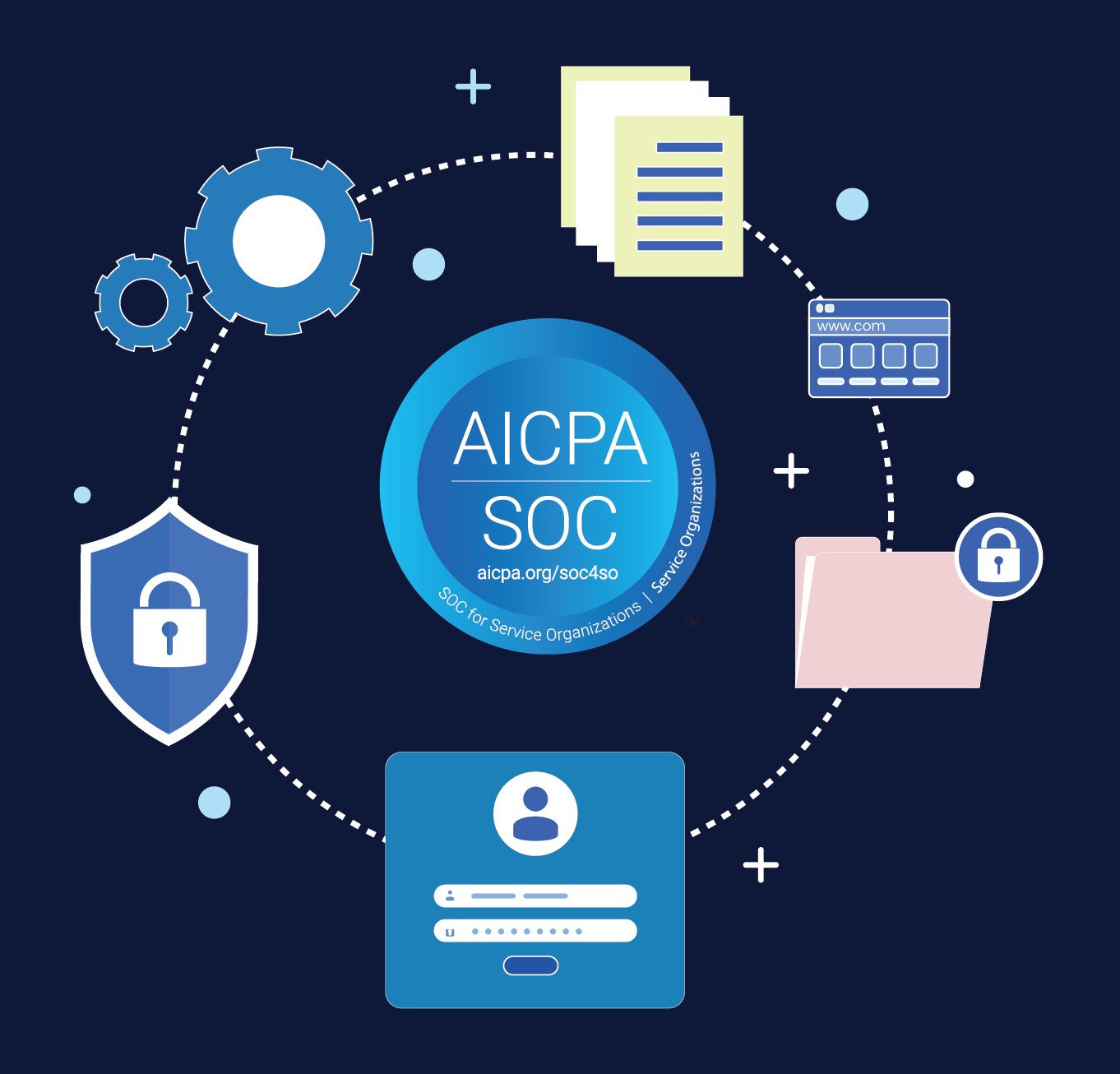
SOC 2, or System and Organization Controls 2, is an auditing standard developed by the American Institute of CPAs (AICPA). It focuses on a company’s controls related to the security, availability, processing integrity, confidentiality, and privacy of customer data. Unlike some certifications that provide a checklist, SOC 2 is a flexible framework that allows organizations to tailor controls based on their business needs and the nature of their services.
SOC 2 reports are crucial for service providers, especially those in SaaS, cloud computing, fintech, and healthtech, who store, process, or transmit customer data. Achieving SOC 2 compliance means that an organization has implemented and maintained effective internal controls to protect customer information against unauthorized access or breaches.
Key Principles of SOC 2
SOC 2 compliance revolves around five “Trust Service Criteria”:
-
Security: Protecting data against unauthorized access (both physical and logical).
-
Availability: Ensuring systems are available for operation and use as committed.
-
Processing Integrity: Ensuring system processing is complete, valid, accurate, timely, and authorized.
-
Confidentiality: Protecting confidential information as committed or agreed.
-
Privacy: Managing personal information according to privacy policies and regulations.
Most organizations begin with the Security criteria as a foundation before expanding into others based on client requirements or industry regulations.
The Strategic Value of SOC 2
-
Builds Customer Trust: Demonstrating SOC 2 compliance assures customers that your organization takes security seriously and has reliable controls in place.
-
Competitive Advantage: Many clients and partners now require SOC 2 reports before entering into business agreements, making it a market differentiator.
-
Mitigates Risks: Identifying and addressing vulnerabilities reduces the risk of data breaches, legal penalties, and reputational damage.
-
Supports Regulatory Requirements: SOC 2 complements other compliance efforts such as GDPR, HIPAA, and ISO standards, helping create a robust compliance ecosystem.
-
Enhances Internal Controls: The audit process uncovers areas for improvement, driving operational excellence beyond security.
Best Practices for Sustaining SOC 2 Compliance
Maintaining SOC 2 compliance requires ongoing dedication beyond passing the initial audit. Win GRC helps organizations operationalize these best practices through automation, real-time monitoring, and continuous control validation. Key best practices include:
-
Continuous Monitoring: With Win GRC, organizations can implement automated tools that track system access, changes, and incidents in real time—ensuring nothing slips through the cracks.
-
Regular Training: Win GRC supports structured compliance training and policy acknowledgment to ensure teams are always informed and accountable.
-
Documentation: Our platform centralizes and maintains clear, up-to-date records of policies, procedures, and evidence—reducing manual errors and audit delays.
-
Vendor Management: Win GRC provides integrated workflows to assess, track, and manage third-party risks, ensuring your extended ecosystem remains compliant.
-
Incident Response: Organizations can document, assign, and test incident response procedures directly in Win GRC—so they’re ready when it matters most.
These proactive measures, backed by a purpose-built compliance platform like Win GRC, help businesses not only stay compliant but also embed a resilient, security-first culture across the organization.
The Future of SOC 2 Compliance
As cyber threats, privacy regulations, and stakeholder expectations evolve, so must your compliance strategy. Win GRC enables future-ready SOC 2 compliance with a platform that evolves alongside your business. Here’s what to expect:
-
Smarter Automation: Win GRC leverages automation to streamline evidence collection, anomaly detection, and control testing—reducing the burden of manual compliance tasks.
-
Deeper Privacy & Confidentiality Controls: With growing emphasis on data privacy, Win GRC helps you expand your SOC 2 controls and reporting to meet complex data protection obligations.
-
Unified GRC Strategy: Instead of managing compliance in silos, Win GRC aligns SOC 2 efforts with your overall governance, risk, and compliance program—creating a single source of truth for auditors and executives alike.
-
Real-Time Assurance: Win GRC supports continuous control monitoring and audit readiness, shifting from static point-in-time reports to dynamic, real-time assurance.
By investing in tools and frameworks that support continuous compliance, organizations can stay ahead of risk, avoid costly surprises, and build long-term trust.
Conclusion: SOC 2 Compliance as a Strategic Imperative
SOC 2 compliance is more than a regulatory checkbox, it’s a strategic enabler of trust, growth, and resilience in the digital economy. With Win GRC, organizations don’t just prepare for audits they build audit readiness into their daily operations.
By automating evidence collection, tracking compliance in real time, and unifying risk and control management, Win GRC empowers teams to stay compliant without slowing down innovation. Whether you’re a fast-scaling SaaS company or an established enterprise, Win GRC equips you to meet evolving SOC 2 requirements with confidence, turning compliance into a competitive advantage.